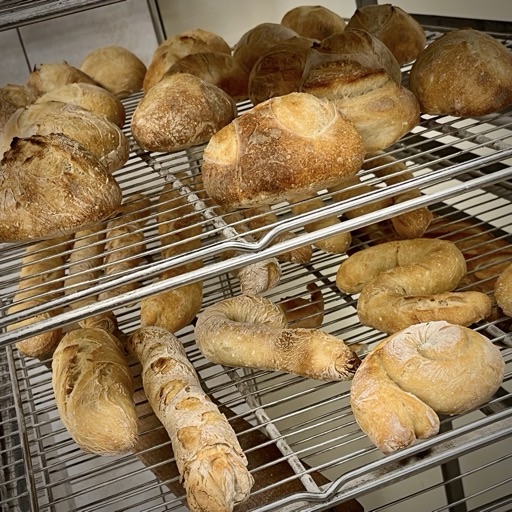
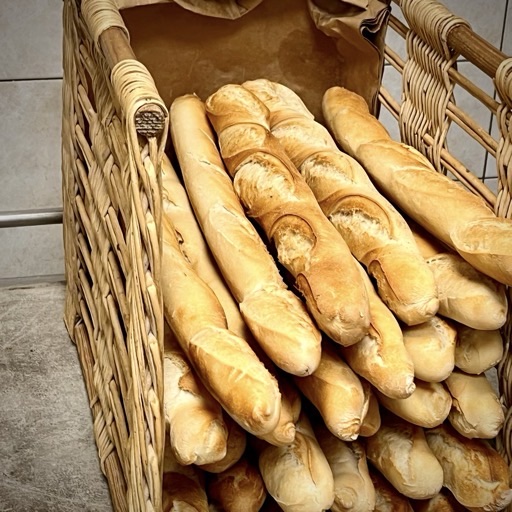
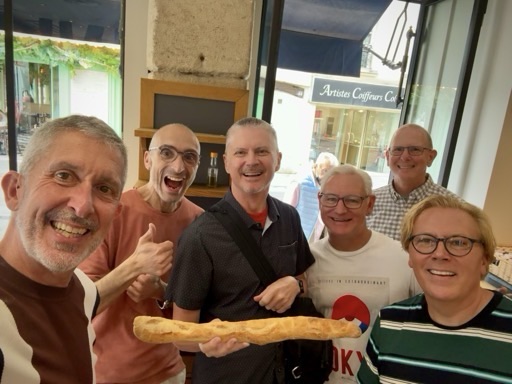
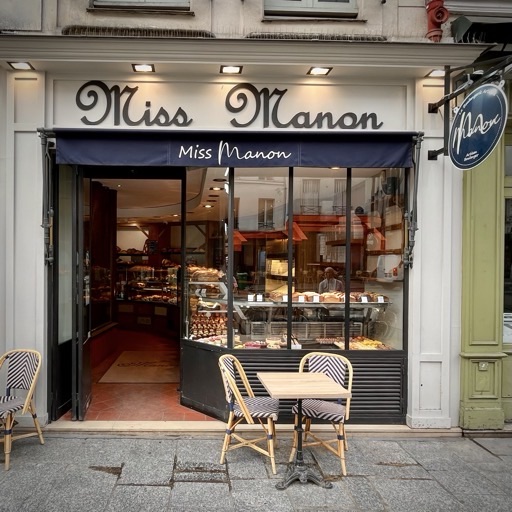
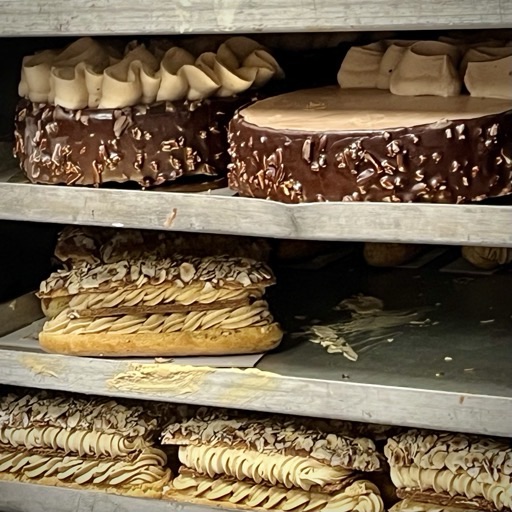
Since the games have not officially started yet, our morning excursion was an ‘interactive bakery experience’
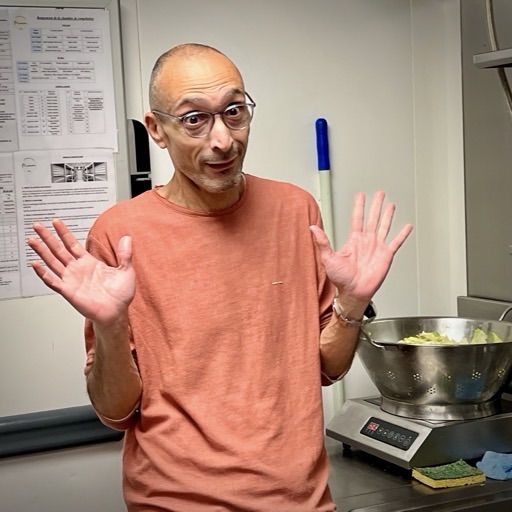
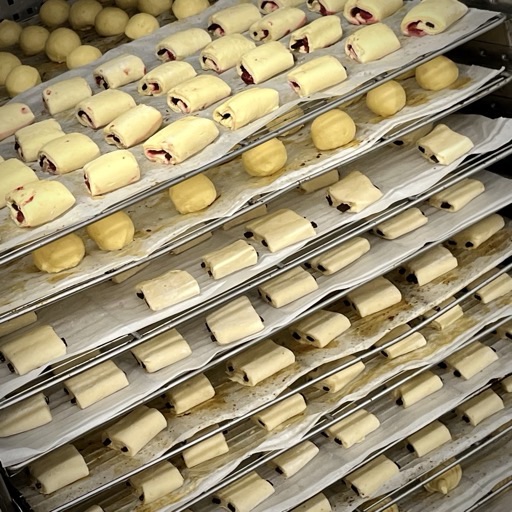
We not only made by hand breads and baguettes as well as pastries, we also learned a lot of interesting and sometimes surprising facts.
Random facts like: all the bakeries’ profits are from sandwiches and pastries. It takes four days to make a baguette, and they sell them for around one euro each. (This specific bakery makes about 1,000 baguettes every day by hand.)
More fun facts about croissants. Did you know that a curved croissanteans it is made with margarine, and a straight one with butter? During war times there was no butter available so they used margarine. To identify that to the very discerning consumers, the bakers started curving the ends in like a ‘C’ shape.
We all enjoyed it very much and took enough bread home to last for all the days we are here.
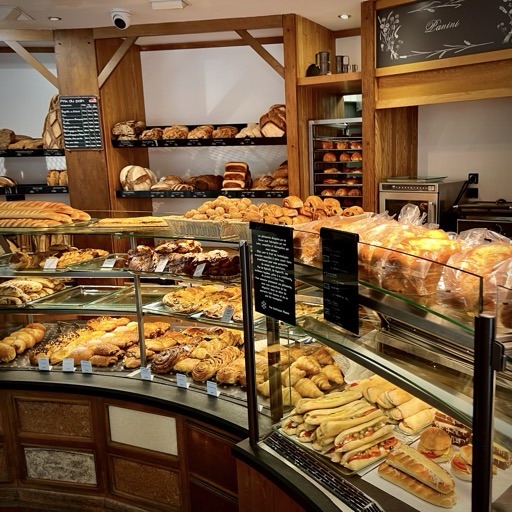
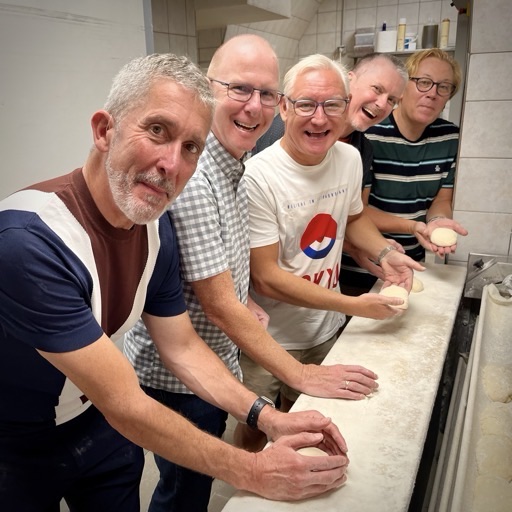
Pain boule means “ball of bread”. The shape of the bread is similar to an upside-down bowl, and the word boule literally translates to “ball” in French.
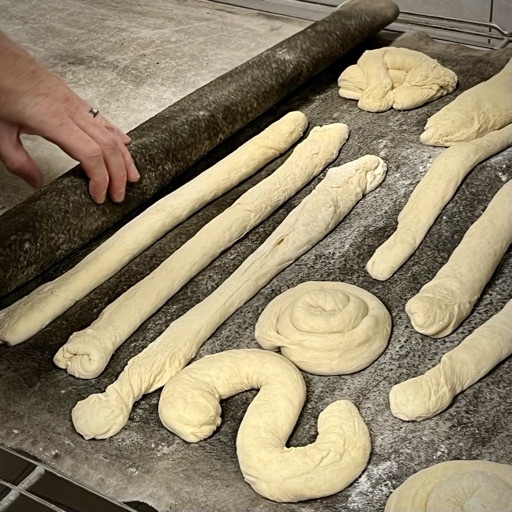
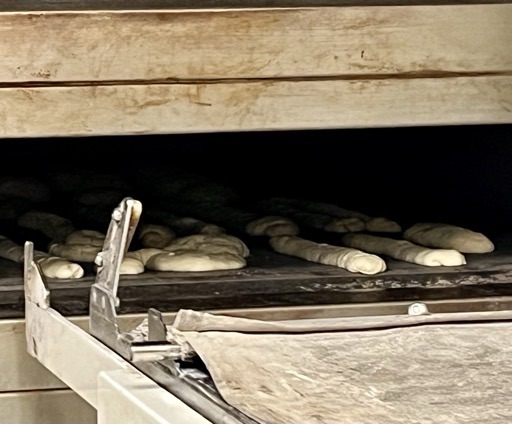
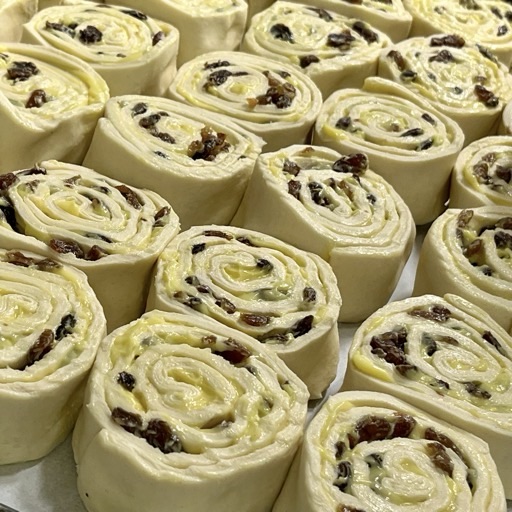
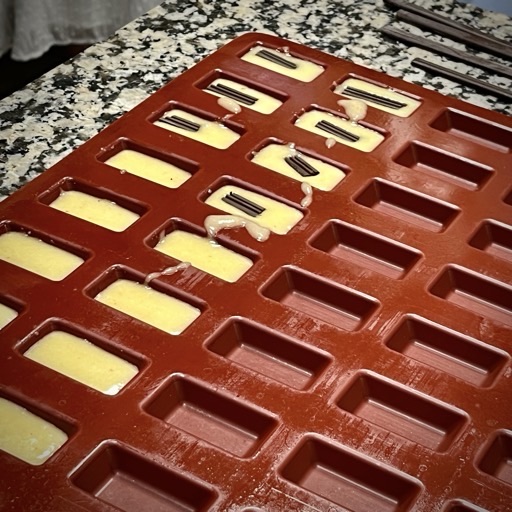
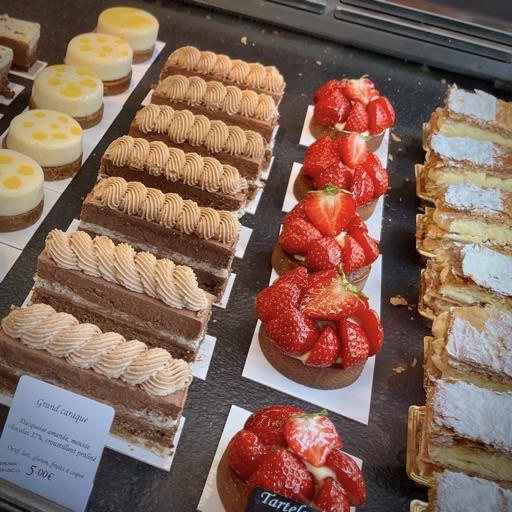
The name financier is said to derive from the traditional rectangular mold, which resembles a bar of gold. Another theory says that the cake became popular in the financial district of Paris surrounding the Paris stock exchange.
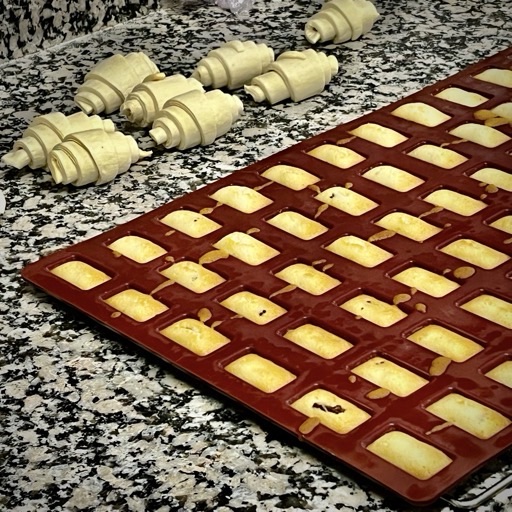
In the back you can also see the butter croissants we rolled.