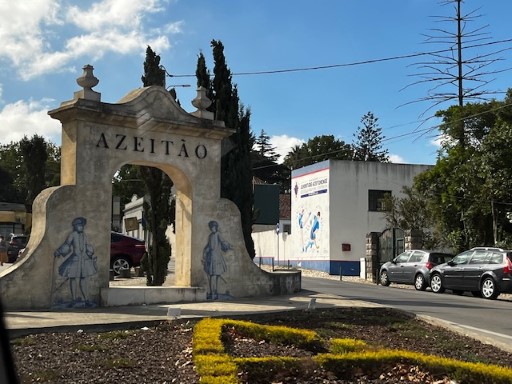
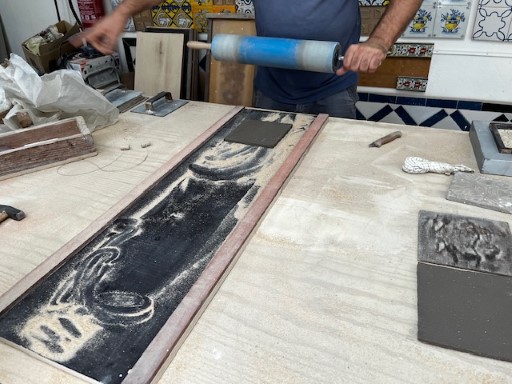
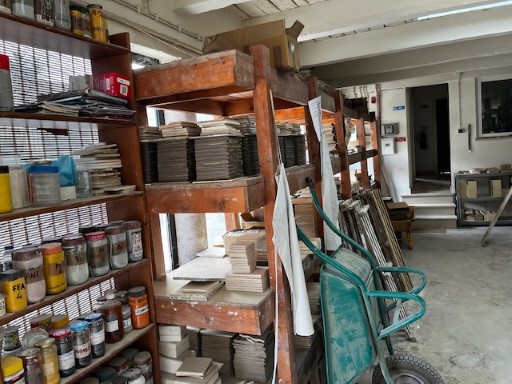
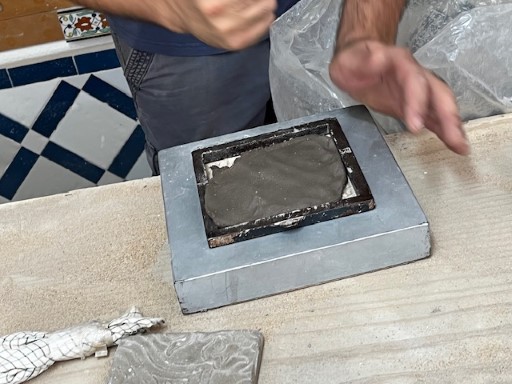
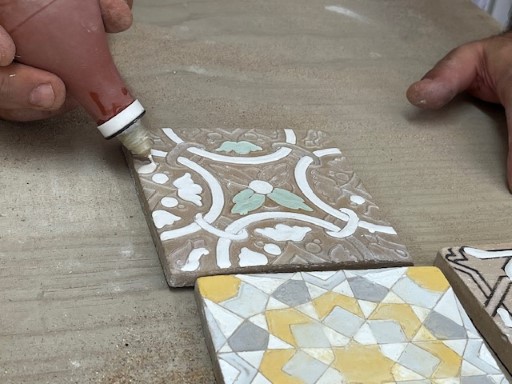
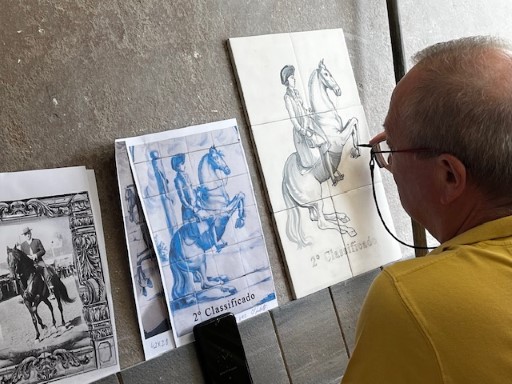
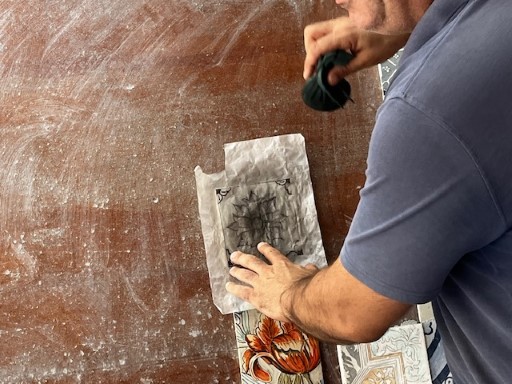
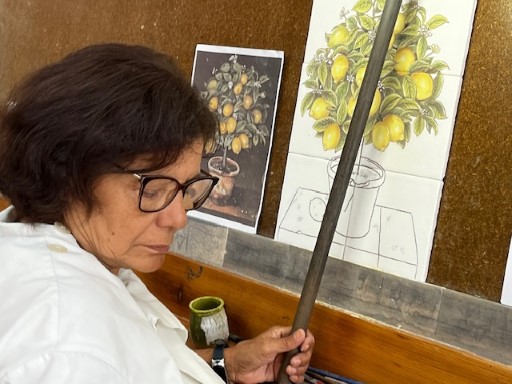
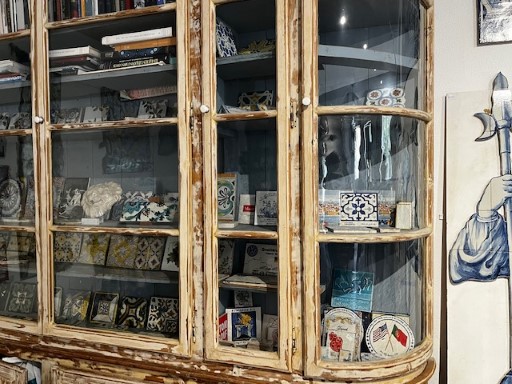
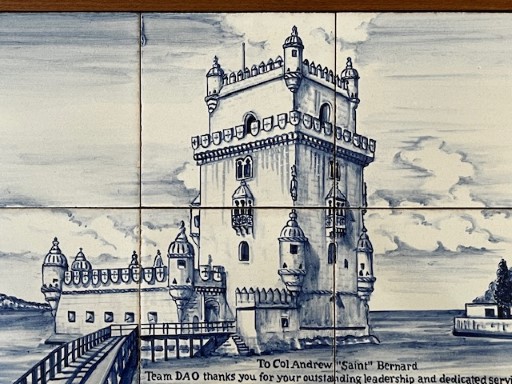
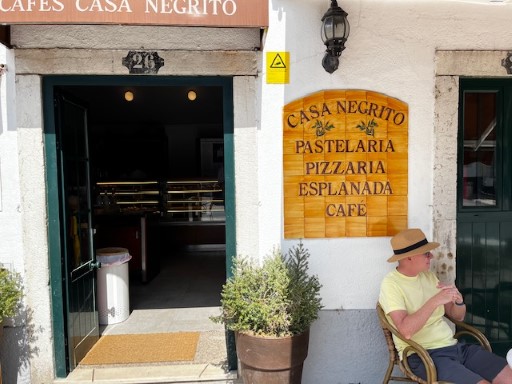
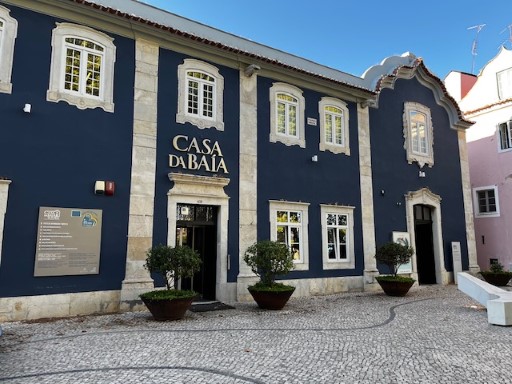
Next stop was at one of the few remaining places that still make the famous tiles. We got a demonstration from the owner himself on the insanely intricate process they still do by hand. They follow the original processes from hundreds of years ago.
Because they still do it that way, they get asked a lot to do restoration works as well.
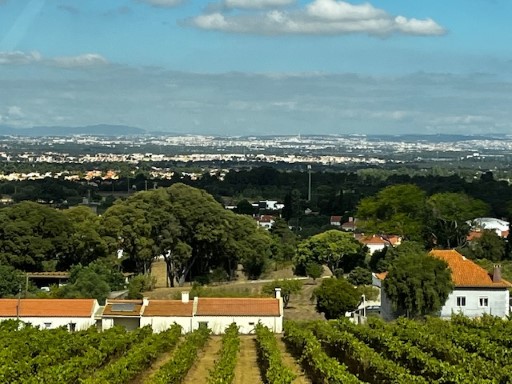
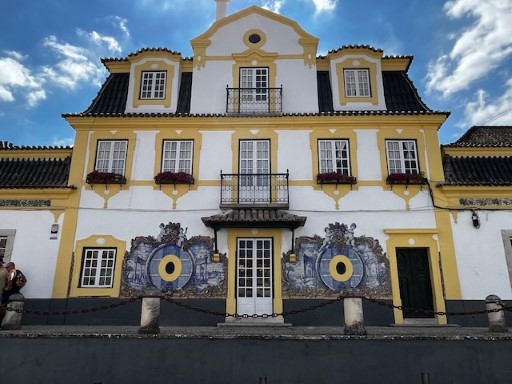
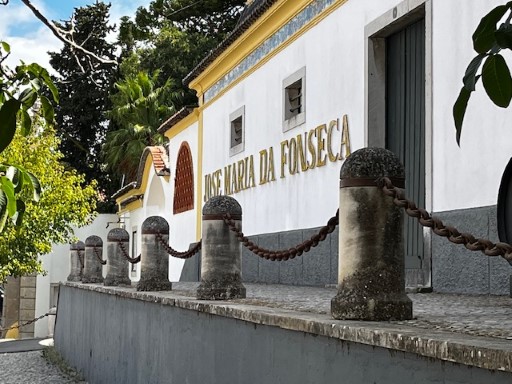
Across the street is Jose Maria da Fonseca. This is one of Portugal’s most prestigious wine companies, still run by the same family (6 generations now) since 1834.
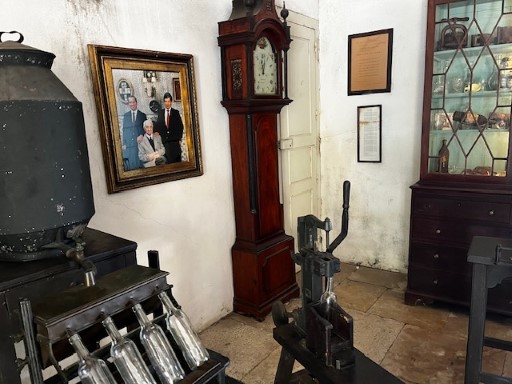
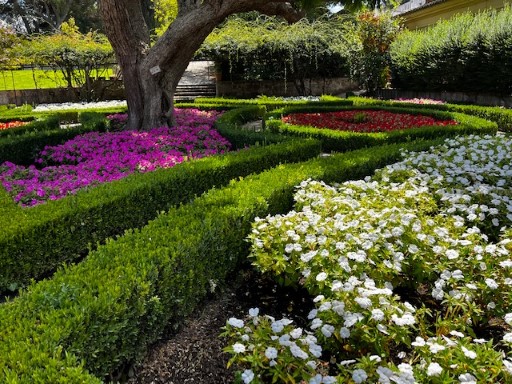
We toured the house and museum, and then walked through the gardens to the cellars.
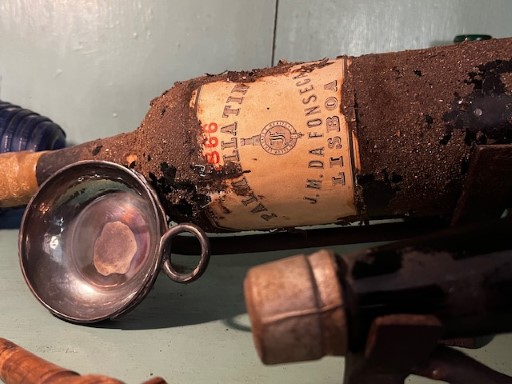
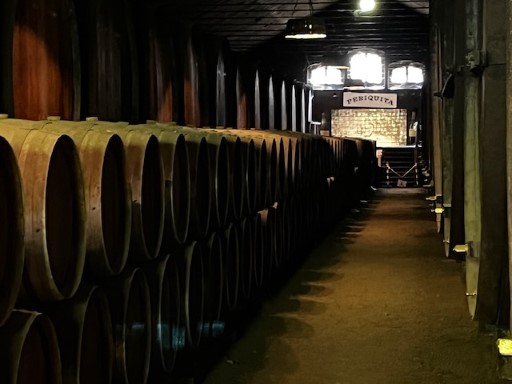
They have many aged wines, including Periquita, Portugal’s oldest red wine.
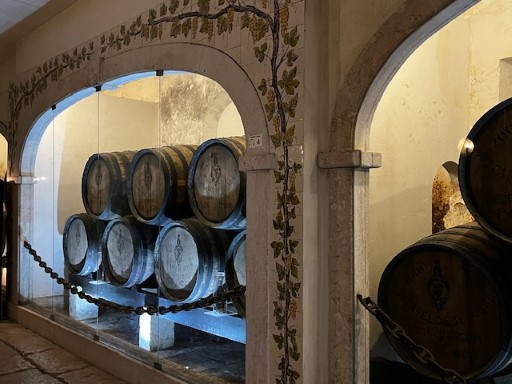
Their speciality are the Moscatels. They accidentally discovered one day that some of the barrels sent by sea to Brazil and then returned, tasted vastly better than the ones that from the same batch still in the cellar. They believe that the constant moving of the barrels at sea swirled the wines enough that the aging process accelerated.
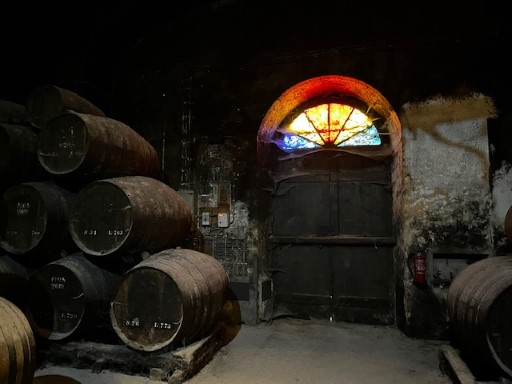
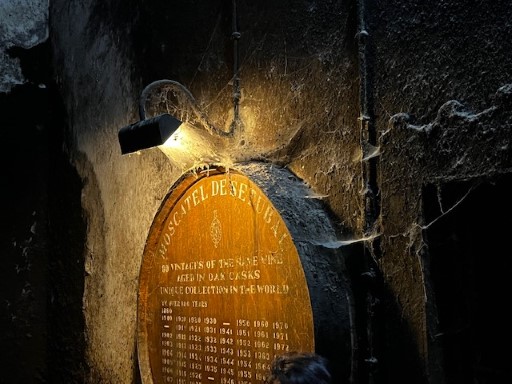
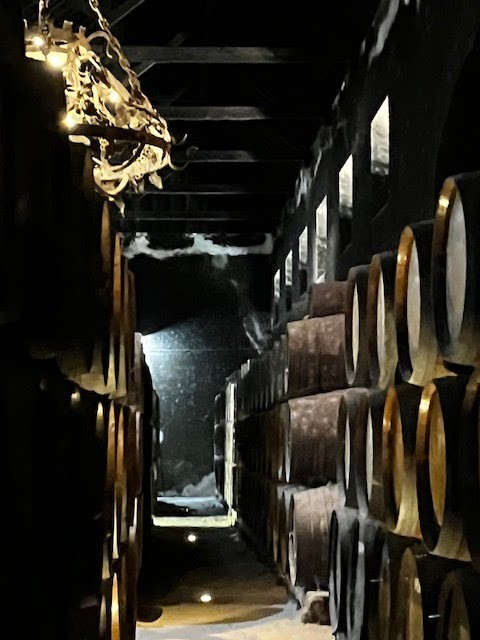
In the ‘Moscatel Cathedral’, where there are barrels as old as the company itself, there is also a chandelier made by a retring cooper from barrel metal. But the best part… they play Gregorian Chants to the wine! The belief is that those chants create certain vibrations in the Moscatel that is the same as swirling it around.
And the spider webs everywhere? The spiders eat the bugs that will eat the barrel wood!
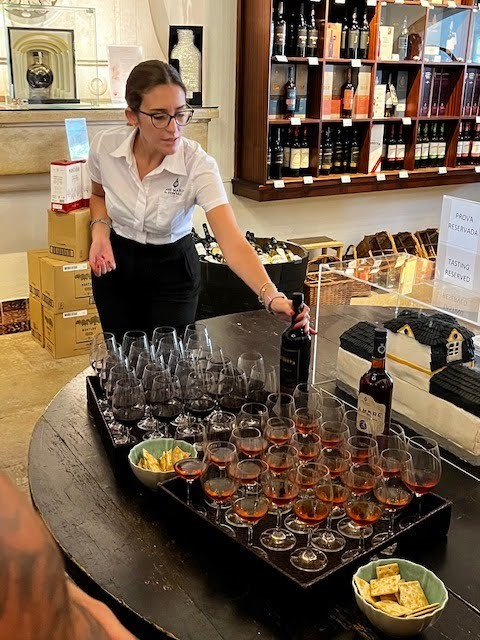
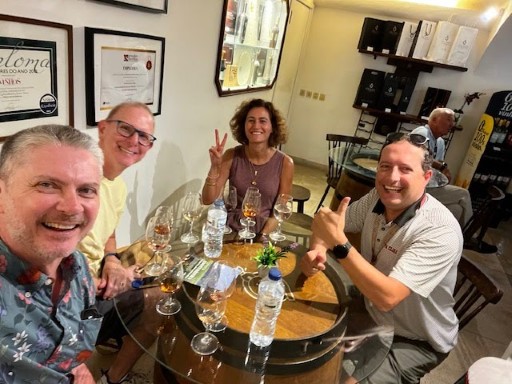
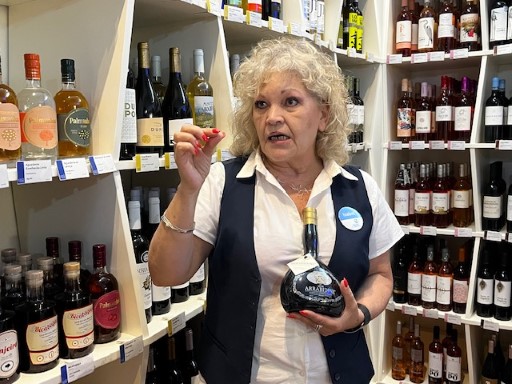
And then finished with a wine tasting. João even got us a little ‘extra’ of the better Moscatel!
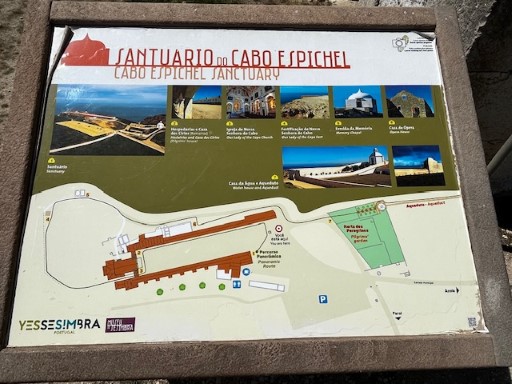
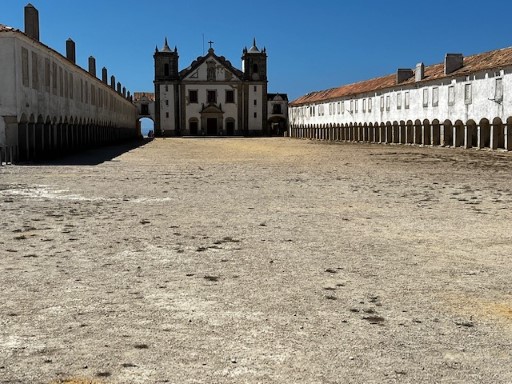
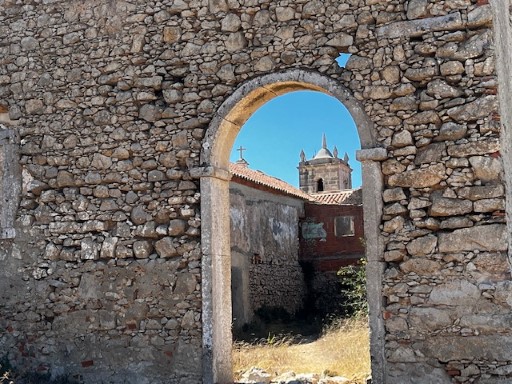
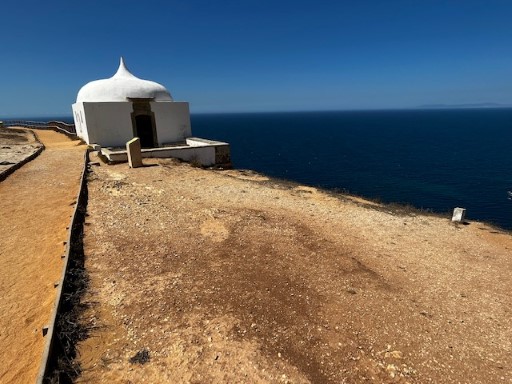
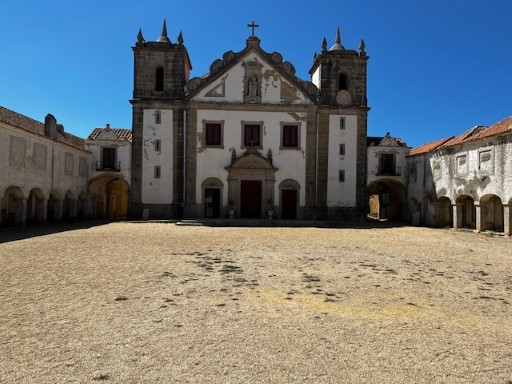
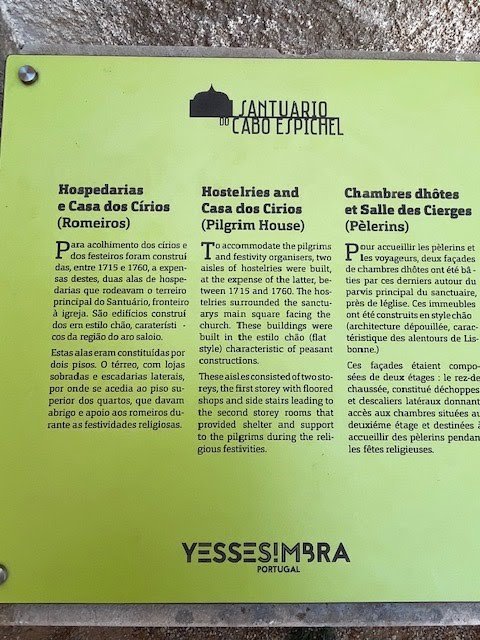
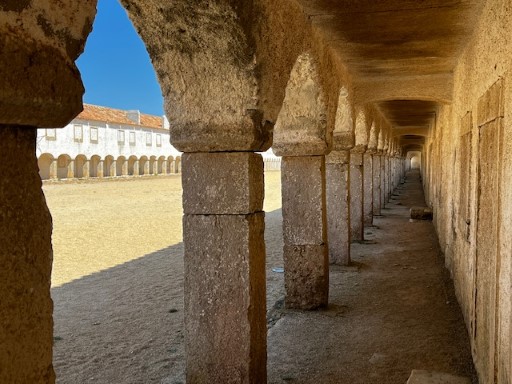
On a barren wind swept cliff stands a lonely church. It is surrounded by ruins and ghosts of other buildings.
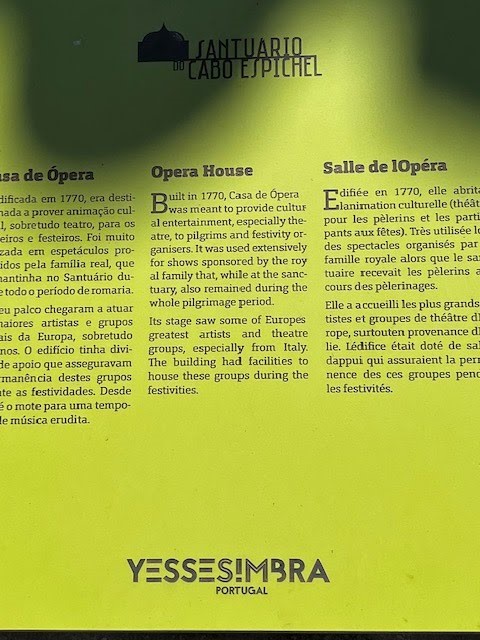
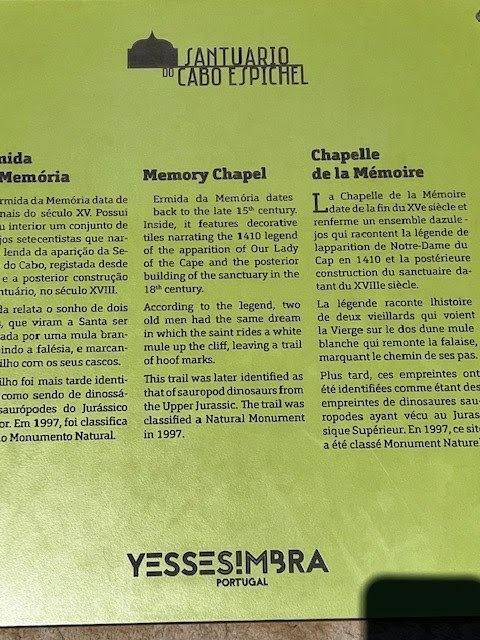
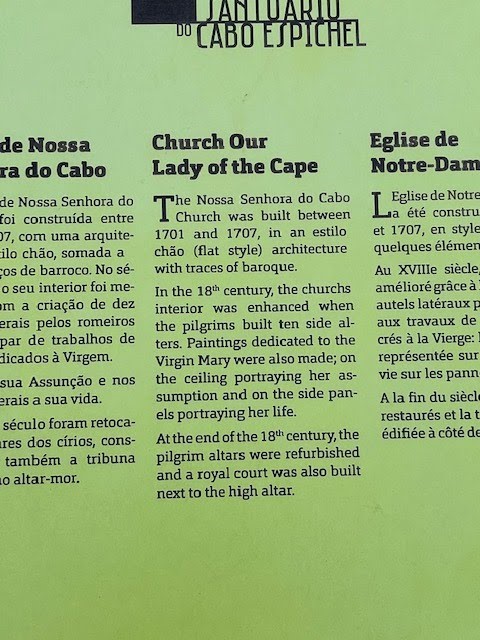
This used to be one of the most famous locations of pilgrims to travel to for hundreds of years. (There was a religious sighting dating back prior to 1366.) It was so famous that there was a hospital to treat the pilgrims (and their feet), an aquaduct to get water there and later even an opera house, where famous stars would come and perform.
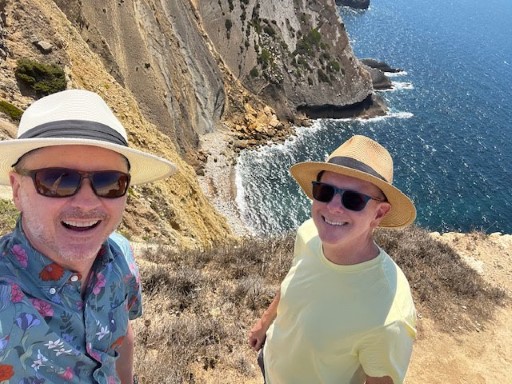
The cliffs are precipitous and the Atlantic is stunningly blue.
It is a location that will haunt your memory.
It was a clear day and we could see all the way to Cascais, where we were the previous day.
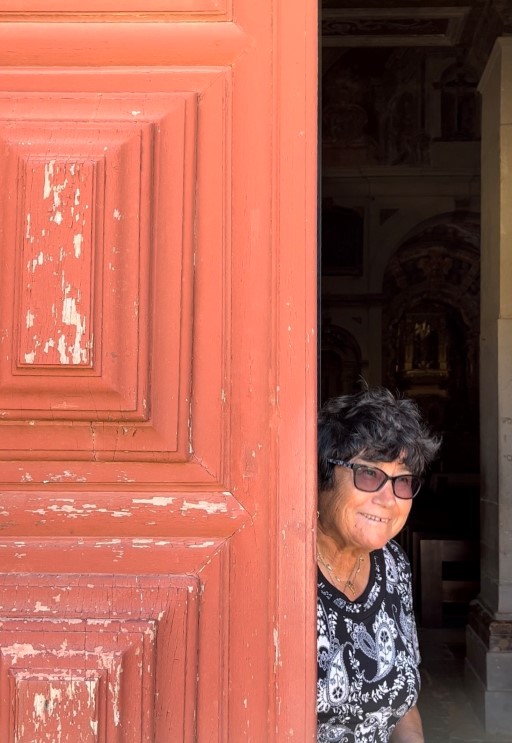
The church was locked when we got there. As we were looking around we suddenly heard João talk to a lady that came around the corner. She happened to be the caretaker of the church, and he convinced her to unlock it only for us. There is no photography allowed inside of any kind, but the church is indescribable. If you can imagine how famous this location once was, and the money (opera etc) flowing in for hundreds of years, then you will get an idea of the interior. (Found some pictures on Google – click here)
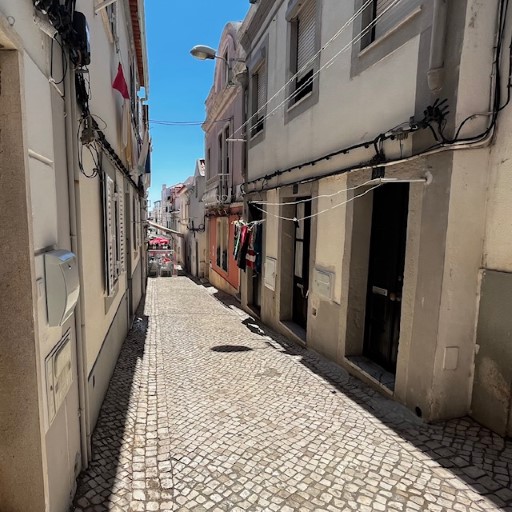
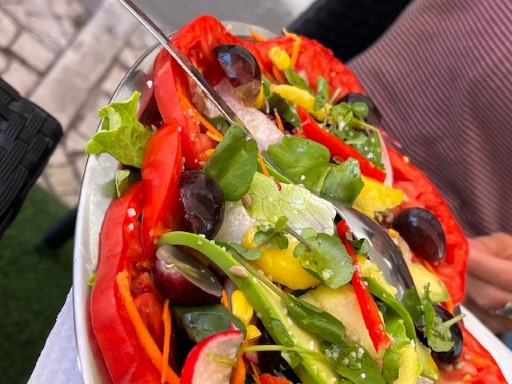
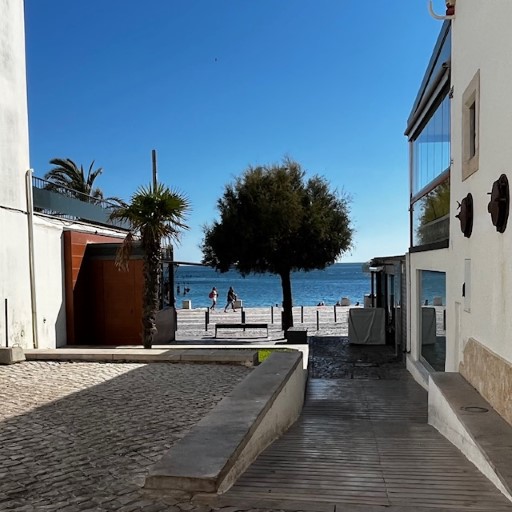
We went to this seafood restaurant in an alley in Sesimbra.
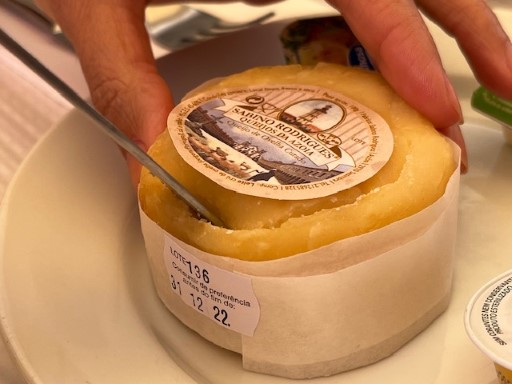
Before the clams showed up, we had the irresistible Portuguese bread but instead of plain butter, opted for this creamy cheese. Yum.
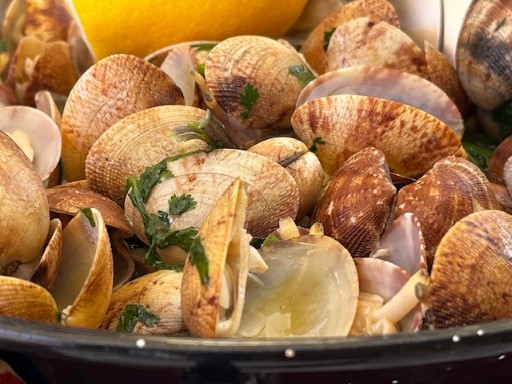
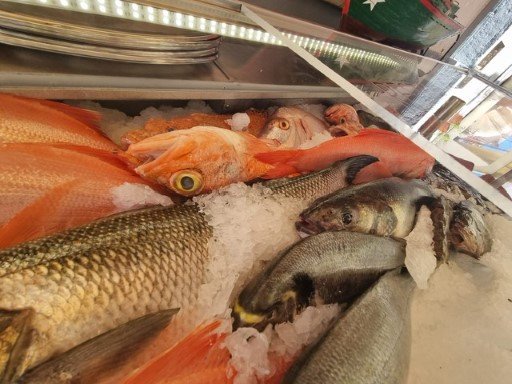
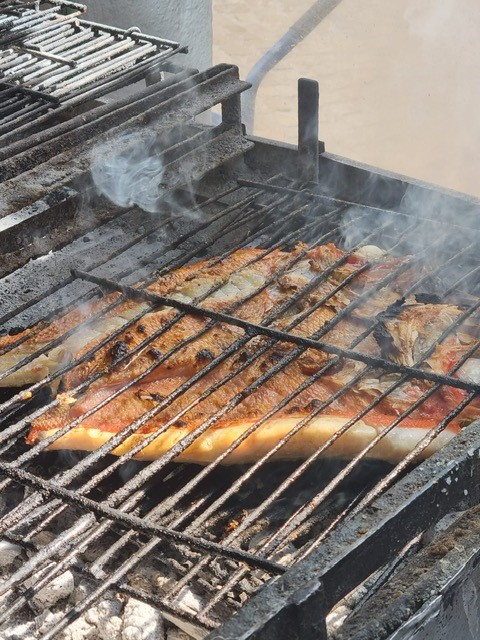
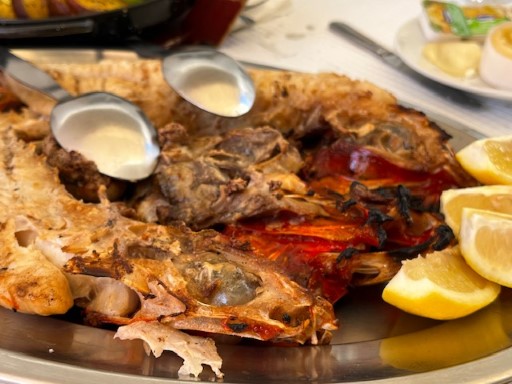
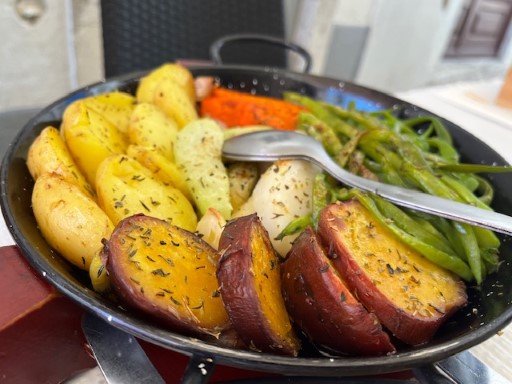
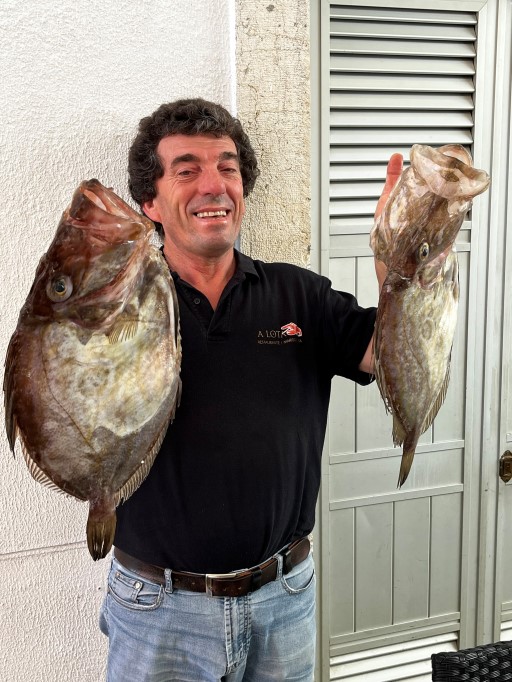
After the garlic and clams (in that order!) João went to pick our fish for us. He ordered Salongo. Never had it before.
The owner roasted it over coals and it had that awesome smokey flavour infused in it.
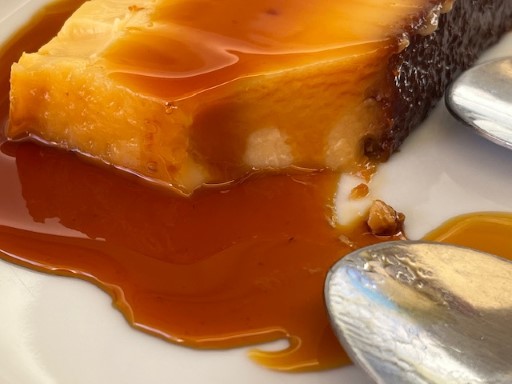
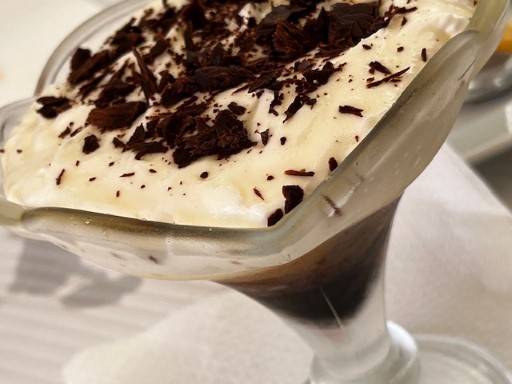
And then, when we already knew we can not get anything else inside our tummies, he also ordered dessert. Flan and this tiramisu-like dessert and espresso. We kept eating. And drinking.
It was that good!
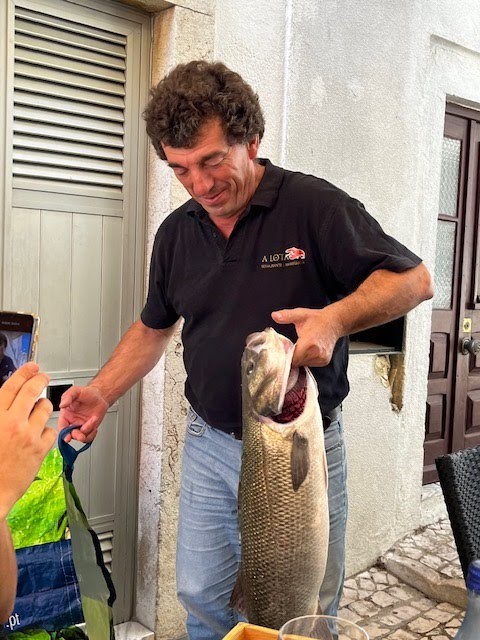
The best part was that during the meal the fisherman would bring him fish just caught and he would come show us at the table.
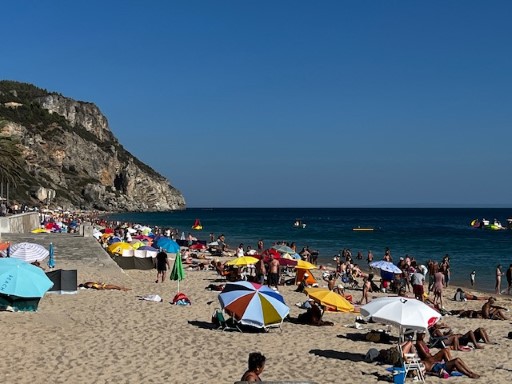
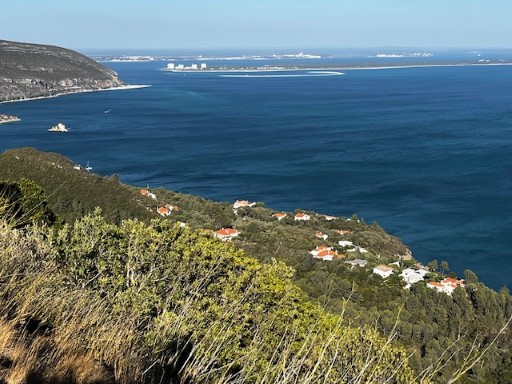
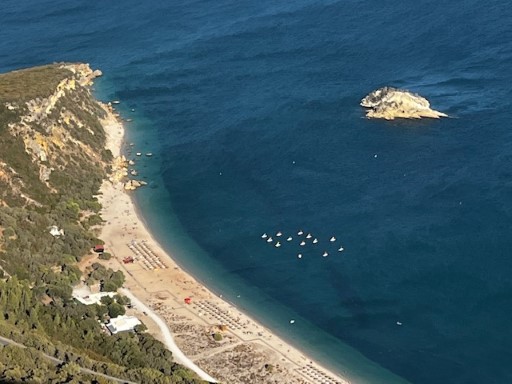
On our drive through Arrábida Natural Park over the ridge, we looked down at these tiny bays with houses. In one of those João spent his summers as a kid, and he told wonderful stories from his memories there.
In one of the stories him and his brother, swam with his father to the little island you can see. The island is actually two islands next to each other and in high tide you can swim between them. Don’t let the distance fool you: it took them more than 30 minutes of swimming to get there!
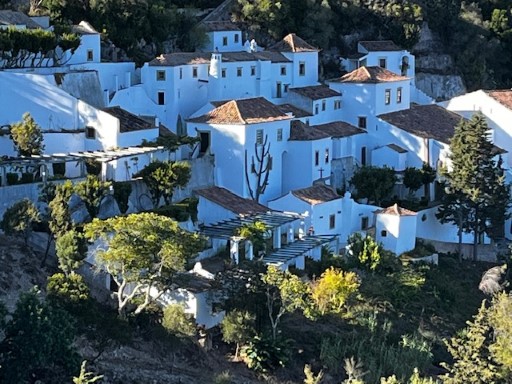
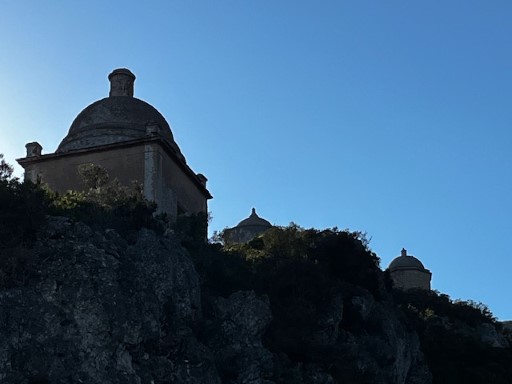
There is also a huge building complex with what used to be a monastery, and a row of ‘isolation meditation chambers’ for the monks up the ridge.
The city of Setúbal is on the north side of the Sado river estuary. It is a now a pretty revitalized city attracting tourist from all over, and a sleeper city for Lisbon workers that want to live outside the city.
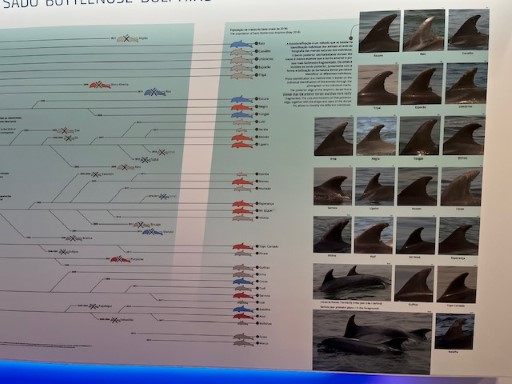
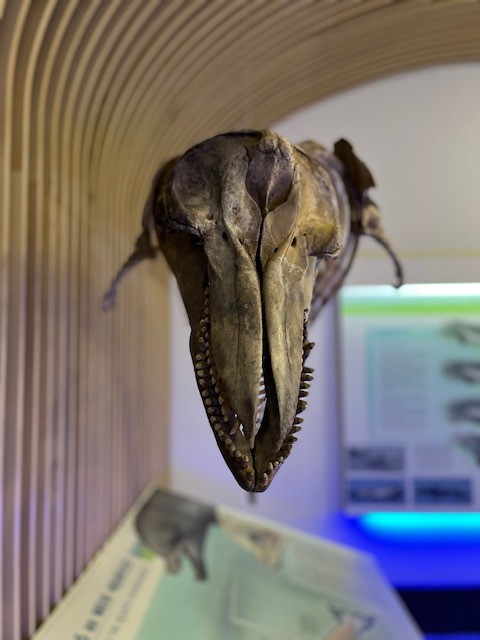
They are very proud of the Sado Bottlenose Dolphins and have been tracking the families for many years. The 31 dolphins not only have names, how to identify them but also their whole genealogy for the last few generations mapped.
And then we bought the drink we had first thing in the morning!